Stained Glass Animals Coloring Book
A Designer’s First Glance: Delicate, Playful, and Full of Light
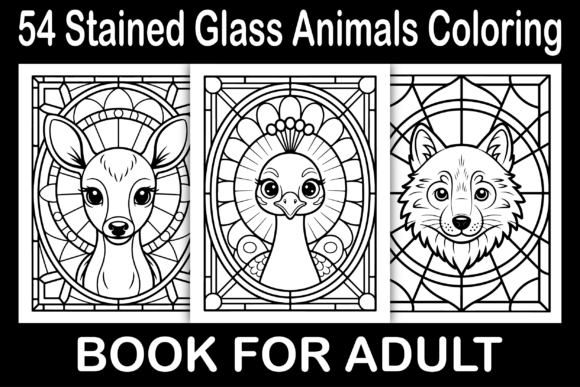
Opening Stained Glass Animals Coloring Book, I felt that familiar lift—the kind you get when a design carries quiet intention. It’s not loud or overly stylized; instead, it breathes like sunlight through leaded glass: clear outlines, generous negative space, and animal silhouettes (foxes, owls, rabbits, deer) built for color—but also, crucially, for translation into stitch. As an embroidery designer who’s stitched everything from nursery wall hangings to boutique aprons, I immediately saw how these pages could become more than coloring sheets. They’re ready-made line art with rhythm and breathing room—exactly what makes a strong machine embroidery design foundation.
From Page to Patch: How It Holds Up in Real Embroidery Projects
Last week, I prepped a custom embroidered tote bag for a local children’s boutique—and reached for Stained Glass Animals Coloring Book as the centerpiece. Why? Because its clean linework translates beautifully to satin stitch borders and open-fill interiors. On cotton canvas, the fox motif stitched crisply at 4.5" wide: no thread nesting, no skipped jumps, and enough interior space to let the fabric show through like “glass.” That transparency is key—it keeps the piece lightweight and breathable, ideal for baby embroidery, tea towels, or pillow covers where heavy fill stitch would stiffen the hand.
I also tested it on a lightweight sweatshirt knit. With tear-away + cutaway stabilizer combo, the design stayed true—no puckering, no distortion. The animal shapes are bold enough to read at arm’s length but detailed enough to reward closer looking: subtle curve variations in ears, gentle paw contours, expressive eyes. That balance makes it work across audiences—toddlers love the friendliness; adults appreciate the refined simplicity. For Etsy sellers, that dual appeal is gold: one digital embroidery file can anchor a whole collection—patches, onesies, holiday ornaments, even framed hoop art.
Where to Use It Thoughtfully (and Where to Pause)
Not every surface welcomes stained glass lines equally. On dark fabric, contrast becomes critical—I recommend testing thread colors in both black-and-white and color mockups before stitching. A light ecru satin stitch on navy works; pale yellow on charcoal may vanish. Likewise, curved surfaces like caps demand simplified versions—those fine inner lines around animal eyes or whiskers can blur or break on tight curves. If you’re planning a cap design, consider softening those details or converting them to running stitch accents instead of dense satin.
Thin or stretchy fabrics need extra care. The open interior areas look elegant on stable weaves, but on jersey or rayon challis, they can shift unless stabilized thoroughly. And while the design avoids micro-detail (no tiny lettering or 0.5mm gaps), very small hoop sizes—under 3"—will compress proportions and risk losing clarity. Always check your intended hoop size against the original dimensions. If the download includes dimension notes (🌟 Dimensio), cross-reference them before digitizing or resizing.
What It Adds to Your Finished Product
- Visual appeal: Instant warmth and handmade charm—customers recognize the “stained glass” sensibility as intentional, not generic.
- Stitching clarity: Generous line weight and uncluttered composition reduce tension issues and thread breaks.
- Product value: Feels elevated—not just “cute,” but curated. Perfect for premium-priced personalized gifts or boutique branding.
- Customer trust: Clean, balanced designs signal professionalism. Buyers assume care went into the craft—and they’re more likely to reorder or tag your shop.
- Giftability: Works year-round—baby showers, birthdays, teacher appreciation, even wedding favors (think mini embroidered napkins with a single owl).
Practical Notes Every Embroidery Designer Should Keep Handy
Before stitching Stained Glass Animals Coloring Book into your next handmade product, take these five minutes:
- Test on scrap fabric—same type and weight as your final project.
- Check thread color contrast on both light and dark backgrounds using printable mockups.
- Review stitch density: if you plan dense fill, add a second layer of stabilizer; if using open fills, ensure your machine handles jump stitches cleanly.
- Confirm licensing terms—especially if selling finished items or bundling the design as part of a commercial embroidery kit.
- Ask yourself: does this serve my brand voice? Its gentle, luminous mood fits botanical shops, mindful makers, and nurseries—but may feel off-brand for edgy apparel lines.
Final Thought: A Quiet Design That Earns Its Place
Stained Glass Animals Coloring Book isn’t flashy—but then, the best embroidery project assets rarely are. It’s the kind of design asset that slips seamlessly into your workflow: easy to resize, forgiving on fabric, rich in storytelling potential. Whether you’re an Etsy seller building a seasonal collection, a small shop owner refreshing kitchen towel designs, or a craft fair vendor stitching custom baby blankets, this set delivers reliable visual personality without demanding excessive digitizing time or technical gymnastics.
It reminds me why I still reach for line-based coloring pages when starting a new collection—not for coloring, but for their honest, unhurried structure. In a world of over-digitized clipart, Stained Glass Animals Coloring Book feels like a breath of air. Just remember: let the light shine through. Choose stabilizer wisely. Respect the scale. And always, always test first.