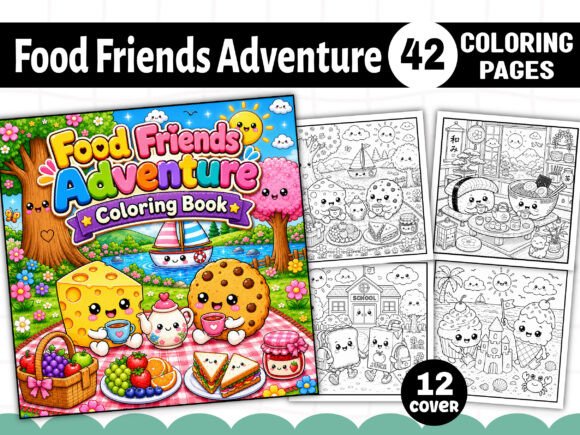
Food Friends Adventure Coloring Book
A Designer’s First Glance: Playful, But Does It Stitch Well?
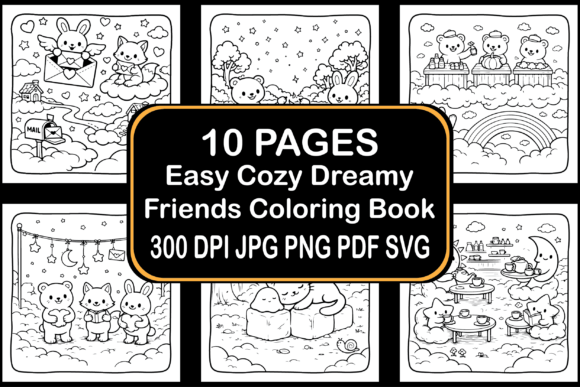
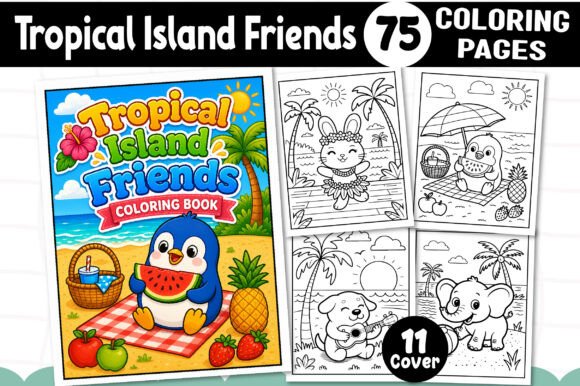
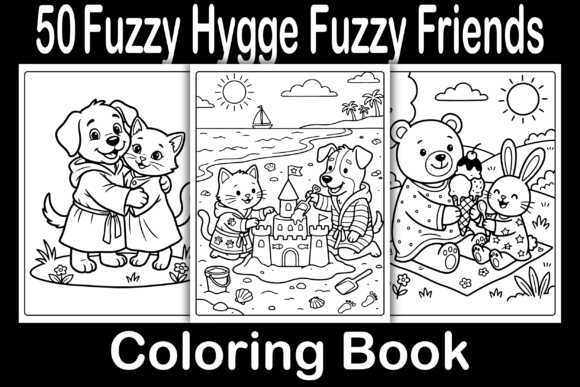
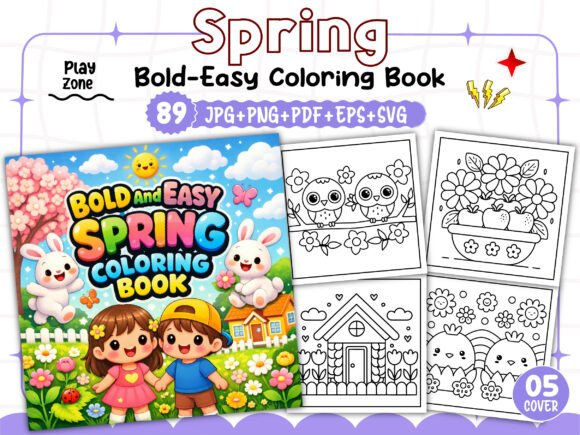
Opening the Food Friends Adventure Coloring Book zip file felt like flipping through a cheerful sketchbook—round fruits with googly eyes, smiling veggies in tiny backpacks, and a cupcake waving from a picnic blanket. The mood is warm, inclusive, and gently whimsical—not too cutesy, not too busy. As an embroidery designer who’s stitched everything from nursery wall hangings to boutique aprons, I immediately asked: *What happens when this becomes thread on fabric?*
Real-World Test: A Custom Embroidered Kitchen Towel for a Local Café
Last week, I prepped a small-batch order of linen tea towels for a neighborhood café launching a “Farm-to-Table Friends” summer promo. I pulled up Food Friends Adventure Coloring Book to test one of its simpler pages—a carrot, apple, and strawberry arranged in a loose triangle with subtle vine connectors. Not overly detailed, but full of friendly personality.
At first glance, the line weight looked consistent—clean enough for satin-stitch outlines and open enough for fill-stitch interpretation. But here’s what mattered most: spacing. Unlike some coloring pages that crowd elements into corners or shrink details into illegibility, these designs breathe. That gave me room to adjust stitch density without losing charm—and crucially, room for stabilizer to do its job on textured linen.
Where It Shines (and Where It Needs Care)
Food Friends Adventure Coloring Book works best when treated as a *starting point*—not a plug-and-play embroidery file. It’s a Coloring Pages asset, not a ready-to-hoop machine embroidery design. That distinction changes everything.
- Great for: Hand-drawn-style embroidered patches, tote bag designs with soft edge treatments, baby embroidery on cotton onesies (when simplified), pillow covers with gentle fill-stitch backgrounds, and holiday embroidery like Easter or back-to-school kitchen gifts.
- Use carefully on: Stretchy fabrics (like jersey sweatshirts), curved surfaces (caps or beanies), dark fabric (fine interior lines may vanish without contrast testing), and thin fabrics (dense fill areas could cause puckering without proper stabilizer).
Stitching Clarity & Customer Trust
One thing I’ve learned selling custom embroidered goods for over eight years: customers don’t buy “cute.” They buy confidence. When someone orders a personalized gift—a baby bib with a smiling avocado, say—they’re trusting you to deliver something that looks intentional, balanced, and handmade with care.
The Food Friends Adventure Coloring Book supports that trust—if you adapt it thoughtfully. Its clean contours translate well to running-stitch outlines or light satin-stitch borders. But avoid scaling it down past 3 inches wide without checking how tiny stems or seed dots hold up. On a small hoop size (like 4x4"), those details can blur or vanish entirely unless reworked.
I tested one berry design at 2.5" on a lightweight cotton cap. Without adjusting stitch density and adding underlay, the center filled unevenly. Lesson? This isn’t a “set and forget” embroidery file. It’s design assets that earn their place in your craft business only after thoughtful translation.
Commercial Use & Brand Fit
If you’re an Etsy seller or small shop owner building a cohesive line—say, “Wholesome Kitchen Goods” or “Tiny Tummies Nursery”—Food Friends Adventure Coloring Book adds warmth without shouting. It pairs naturally with earthy thread colors (olive green, terracotta, buttercream) and works across product types: embroidered patches for denim jackets, applique designs layered onto aprons, or simplified versions for printable mockups in your digital product listings.
But be realistic: it won’t carry high-end branding alone. You’ll need to pair it with strong typography, smart layout, and consistent color palettes to build recognition. And always confirm licensing before selling finished products or bundling it into your own digital embroidery kits—this is a Graphics download, not an extended commercial license by default.
Practical Notes Every Embroidery Designer Should Check
Before cutting fabric or loading your machine:
- Test the design on scrap fabric—especially if using textured, dark, or stretchy material.
- Check thread color contrast early. What reads as playful on screen might fade on navy twill.
- Review stitch density manually. High-density fills look lush on paper—but can stiffen a baby onesie or crack on a washed tea towel.
- Confirm hoop size compatibility. Some layouts span wider than standard hoops; cropping or repositioning may be needed.
- Inspect small details: eyes, stems, lettering (if included). Will they survive digitizing at your target size?
- Try black-and-white mockups. If the silhouette loses character without color, simplify further.
- Compare light vs. dark fabric backgrounds. A pale yellow peach may disappear on cream linen without outline reinforcement.
- Use appropriate stabilizer—tear-away for stable cottons, cut-away for knits, and topping for napped fabrics like terry cloth.
- Verify intended use: personal project? Commercial embroidery? Resale of finished items? Licensing terms matter more than ever.
Final Thought: A Friendly Spark, Not a Finished Answer
Food Friends Adventure Coloring Book doesn’t replace skill—it invites it. It’s the kind of resource that rewards designers who understand how line becomes texture, how shape holds up under thread tension, and how a simple strawberry can become a signature detail on a handmade product. Used well, it lifts the appeal of custom apparel, builds connection in personalized gifts, and adds quiet professionalism to small shop merchandise. Used hastily? It risks looking like an afterthought—not the joyful centerpiece it was meant to be.
So treat it like a collaborator: test it, refine it, and let its friendly spirit guide your next embroidery project—not dictate it.