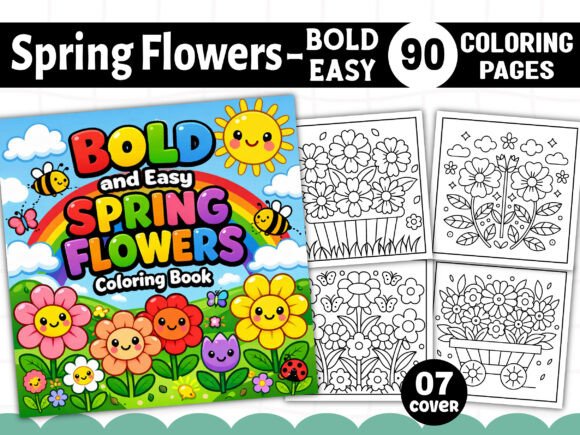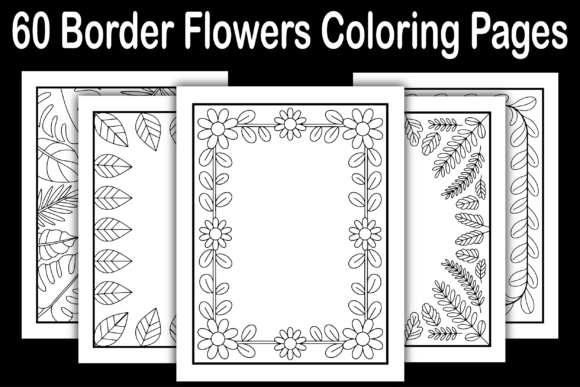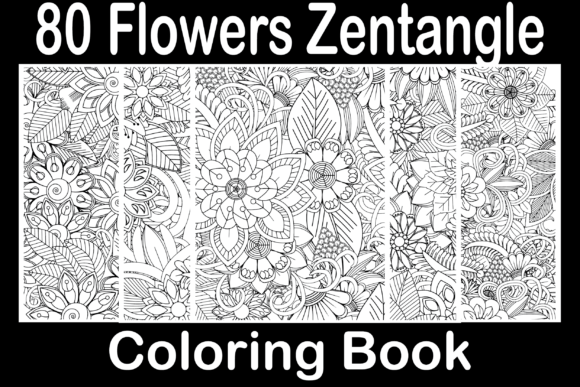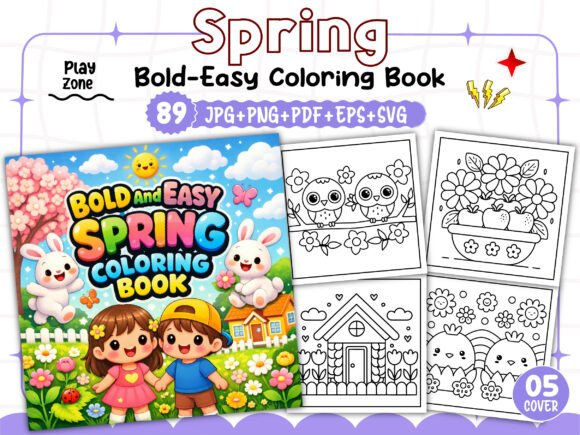
Plants Flowers Coloring Pages Graphics
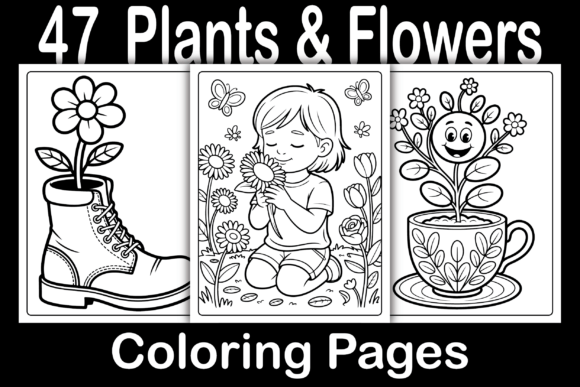
As someone who’s launched over 200 digital product listings across Etsy, Creative Market, and Shopify—and scaled three print-on-demand collections—I opened Plants Flowers Coloring Pages expecting either a quick win or a quiet skip. What I found was a tightly curated, commercially viable set of 47 hand-drawn botanical illustrations—designed not just for coloring, but for real-world product creation.
First impression? Calm, intentional, and quietly versatile. These aren’t hyper-detailed botanical studies nor cartoonish florals—they strike a mid-tone balance: clean linework, gentle curvature, consistent stroke weight, and breathing room around each subject. The mood leans toward mindful elegance—not overly feminine, not sterile—making it ideal for wellness brands, eco-conscious small businesses, and modern stationery lines. Think yoga studio merch, slow-living blogs, apothecary packaging, or minimalist nursery prints. It avoids trend fatigue while still feeling current.
This is a digital printable collection of 47 Plants Flowers Coloring Pages—optimized for KDP interiors, POD book covers, planner inserts, and commercial design use. You’re not getting clipart scraps or recycled vectors. You’re getting cohesive, ready-to-deploy illustration assets that hold up across formats: SVG for Cricut projects, high-res PNGs with transparent backgrounds for Canva templates, and crisp line art suitable for sublimation on mugs, totes, and tumblers.
I tested Plants Flowers Coloring Pages across six real product scenarios before finalizing my shop update:
- Etsy printable wall art bundle: Paired three pages with muted sage and terracotta palettes in Canva—then dropped them into realistic framed mockups. Thumbnail clarity held up even at 300x300px. Customers scrolling past paused longer than average—especially when grouped with matching quote cards.
- POD mug design: Used the “Fern & Wildflower” page as a wrap. Printed sample on a white ceramic mug—line integrity stayed sharp at 300 DPI, no feathering. Worked equally well centered or wrapped asymmetrically.
- Cricut sticker sheet: Isolated individual blooms using the SVG files. Cut test on matte vinyl confirmed clean edges—no jagged corners or stray anchor points. Ideal for planner stickers or laptop decals—but avoid grouping more than four small elements per sheet if targeting beginner crafters.
- Canva social media template pack: Layered two coloring pages behind semi-transparent text blocks. Their open negative space created natural visual hierarchy—no competing with headlines. Paired beautifully with both serif (Playfair Display) and rounded sans-serif (Quicksand) fonts.
- KDP interior for adult coloring book: Imported all 47 pages into InDesign. Consistent 8.5" x 11" layout, uniform margins, and balanced spacing meant zero manual resizing. Added subtle page numbers and a botanical divider—done in under 90 minutes.
- Digital paper pack add-on: Converted five pages to seamless pattern swatches in Procreate. Repeated at 50% opacity, they became elegant background layers for greeting card templates and blog graphics.
Where Plants Flowers Coloring Pages shines most is in visual storytelling and perceived value. Because the style is unified—not a grab-bag of mismatched florals—it supports brand consistency across product types. A customer who buys your printable planner stickers is more likely to trust your t-shirt design or nursery print because the graphic design asset feels intentional, not outsourced.
It works best in larger-format previews: full-page mockups for Etsy listings, lifestyle shots on light wood or marble backdrops, and bundled seasonal collections (e.g., “Spring Botanical Bundle” with matching quote cards and social media templates). Its open composition also makes it highly adaptable for packaging design—think tea box labels, soap wraps, or seed packet art.
Use with care in these situations:
- Ultra-small sticker applications (<5mm height)—some delicate stems and petal tips lose definition when scaled down.
- Dark-background products without contrast testing—run a quick proof on charcoal or navy mockups. Some pages rely on fine linework that fades without a subtle drop shadow or stroke boost.
- Crowded thumbnail displays—when shown alongside 15+ other listings, avoid using only the most intricate pages (e.g., “Layered Peony”) as your primary listing image. Opt for bold, silhouette-friendly variants like “Potted Monstera” or “Sunflower Trio.”
- Text-heavy Canva templates—don’t place dense body copy directly over busy sections. Use the blank spaces intentionally, or apply light Gaussian blur overlays to maintain readability.
Before publishing any product using Plants Flowers Coloring Pages, run these five seller checks:
- Preview the PNGs on both white and dark mockups—verify transparency isn’t compromised by faint anti-aliasing halos.
- Open SVGs in Cricut Design Space or Silhouette Studio—check for compound paths or hidden layers that could interfere with cut quality.
- Print one page at actual size on your target paper stock—confirm line weight holds up on matte vs. glossy finishes.
- Organize files clearly for buyers: label folders “SVG,” “PNG_300dpi,” “KDP_Ready,” and include a simple license summary PDF.
- Confirm commercial license terms—this set permits finished product sales (including POD and KDP), but prohibits redistribution of raw files or claiming original authorship.
For digital product creators building a scalable shop, Plants Flowers Coloring Pages isn’t just another coloring book—it’s a foundational graphic design asset. It bridges the gap between hobbyist appeal and professional polish. When paired with thoughtful typography, cohesive color palettes, and smart mockup choices, it lifts the entire perception of your creative marketplace presence. Not every page will become a bestseller—but having 47 strong, licensable, production-ready illustrations means you can iterate fast, test confidently, and scale without scrambling for new assets every season.
If you sell printable designs, run a Canva template shop, manage a POD brand, or create Cricut-ready SVG bundles, this collection earns its place in your working library—not as filler, but as functional, flexible, and quietly profitable design assets.