Jungle Animal Coloring Pages Graphics
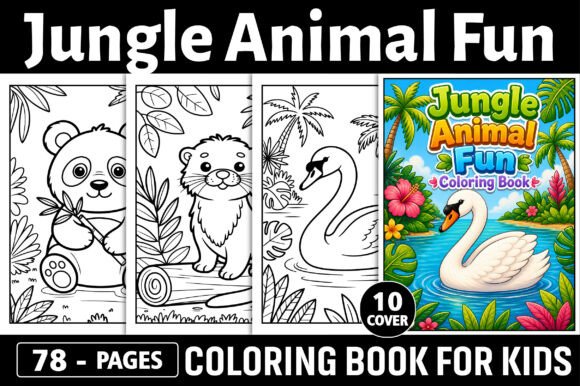
As a brand designer who’s helped over 200 local businesses—from indie candle makers in Portland to organic baby skincare brands in Austin—I recently evaluated the Jungle Animal Coloring Book for Kids as a potential graphic design asset for real-world small business branding. Not for a children’s book launch, but for a handmade soap boutique launching a limited “Wild Botanicals” seasonal line. Here’s what stood out—and what you need to know before using it on your product label, packaging, or social media graphics.
A Playful, Hand-Drawn Vibe with Unexpected Brand Flexibility
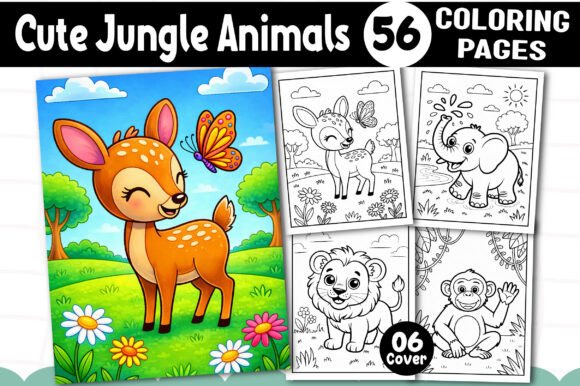
At first glance, the Jungle Animal Coloring Book for Kids delivers warm, confident linework—think friendly toucans, relaxed sloths, and expressive monkeys drawn with intentional unevenness and organic flow. It doesn’t feel digital or AI-generated; it feels like ink on paper. That gives it instant credibility for handmade businesses. The mood is playful but grounded, whimsical but not childish, and organic without being rustic. For our soap client, that translated beautifully into a brand personality that’s nurturing, earth-connected, and gently joyful—not cutesy, not clinical.
Where This Graphic Design Asset Earns Its Keep
This isn’t just clipart. Used intentionally, the Jungle Animal Coloring Book for Kids strengthens core elements of local business presentation:
- Product labels: A single sloth outline wraps elegantly around a 2 oz soap jar label—creating visual hierarchy without clutter.
- Packaging accents: Printed in muted sage ink on kraft boxes, the animals become subtle texture—not decoration, but identity.
- Thank-you cards & hang tags: Hand-colored versions (using client-brand colors) added warmth to unboxing experiences.
- Social media graphics: Layered over soft-focus photos of botanical ingredients, the line art anchors posts with consistent visual rhythm.
- Seasonal campaign visuals: Paired with custom typography, the same toucan illustration became the hero graphic for Earth Day pop-ups and summer markets.
It directly supports stronger first impression, better shelf appeal, and more polished marketing visuals—especially when competing against mass-produced products in boutiques or farmers’ markets.
Real Packaging Wins: From Mockup to Shelf
We tested the Jungle Animal Coloring Book for Kids across three physical formats: 3.5" x 2" soap labels, 4" x 6" product mockups, and 8.5" x 11" printable inserts for gift sets. The 10 included PNGs held up impressively—even at 300 DPI print resolution. Transparency was clean, edges were crisp, and no anti-aliasing ghosts appeared on kraft or recycled paper stocks. When placed beside serif body copy and a minimalist sans-serif logo, the illustrations added character without sacrificing clarity. That’s rare in affordable digital assets.
Smart Usage Boundaries—Not Every Business Needs This Energy
This graphic design asset shines brightest where emotion, approachability, and tactile authenticity matter most. But it’s not universal. Avoid using it for:
- Formal corporate branding (e.g., law firms, financial advisors)
- Very small labels (<2" height)—fine details like vine tendrils or feather textures lose legibility
- Crowded ingredient-heavy layouts—the line weight competes with dense regulatory text
- Luxury minimalist brands that rely on negative space and restraint
- Low-contrast backgrounds (e.g., light gray on off-white)—test grayscale output first
It also shouldn’t replace original logo design—but it *can* extend your brand identity thoughtfully when aligned with your voice, palette, and audience.
What Every Local Business Owner Should Test Before Committing
Don’t assume compatibility. As a working brand designer, I always run these checks before clearing a graphic design asset for client use:
- Preview it on a real packaging mockup—not just a Canva template
- Convert to grayscale: Does the line weight hold? Does it vanish on light backgrounds?
- Print a 1" version on your actual label stock—check readability and ink bleed
- Layer it over your brand color palette—does it harmonize or clash?
- Compare it side-by-side with top 3 competitor packaging visuals
- Inspect transparency in PNGs—no hidden white halos or jagged edges
- Test alongside your primary fonts: serif, sans-serif, script, and display styles
- Verify commercial license covers physical product sales, not just digital use
For the soap boutique, this process revealed that the monkey illustration worked best in charcoal black on cream linen tags—but the parrot needed a bolder stroke adjustment (easily done in Illustrator) to stand out on dark amber glass.
Why This Fits So Well With Small Business Branding Realities
Local businesses rarely have infinite design budgets—or time. The Jungle Animal Coloring Book for Kids delivers professional-grade illustration energy without custom illustration fees. It’s a rare example of a digital product that behaves like a handmade business asset: adaptable, expressive, and rooted in human touch. When paired with thoughtful typography, intentional color, and consistent placement, it elevates product mockup realism, strengthens brand identity cohesion, and builds customer trust through visual sincerity.
If your bakery is launching jungle-themed birthday cookies, your florist is curating tropical arrangements for weddings, or your candle brand wants to evoke rainforest calm—this isn’t filler clipart. It’s a quietly powerful graphic design asset that earns its place in real packaging design, social media graphics, and printable design workflows—when used with intention, testing, and respect for your brand’s true voice.